

Uncrowded and Extraordinary: Where to Travel Beyond Mass Tourism
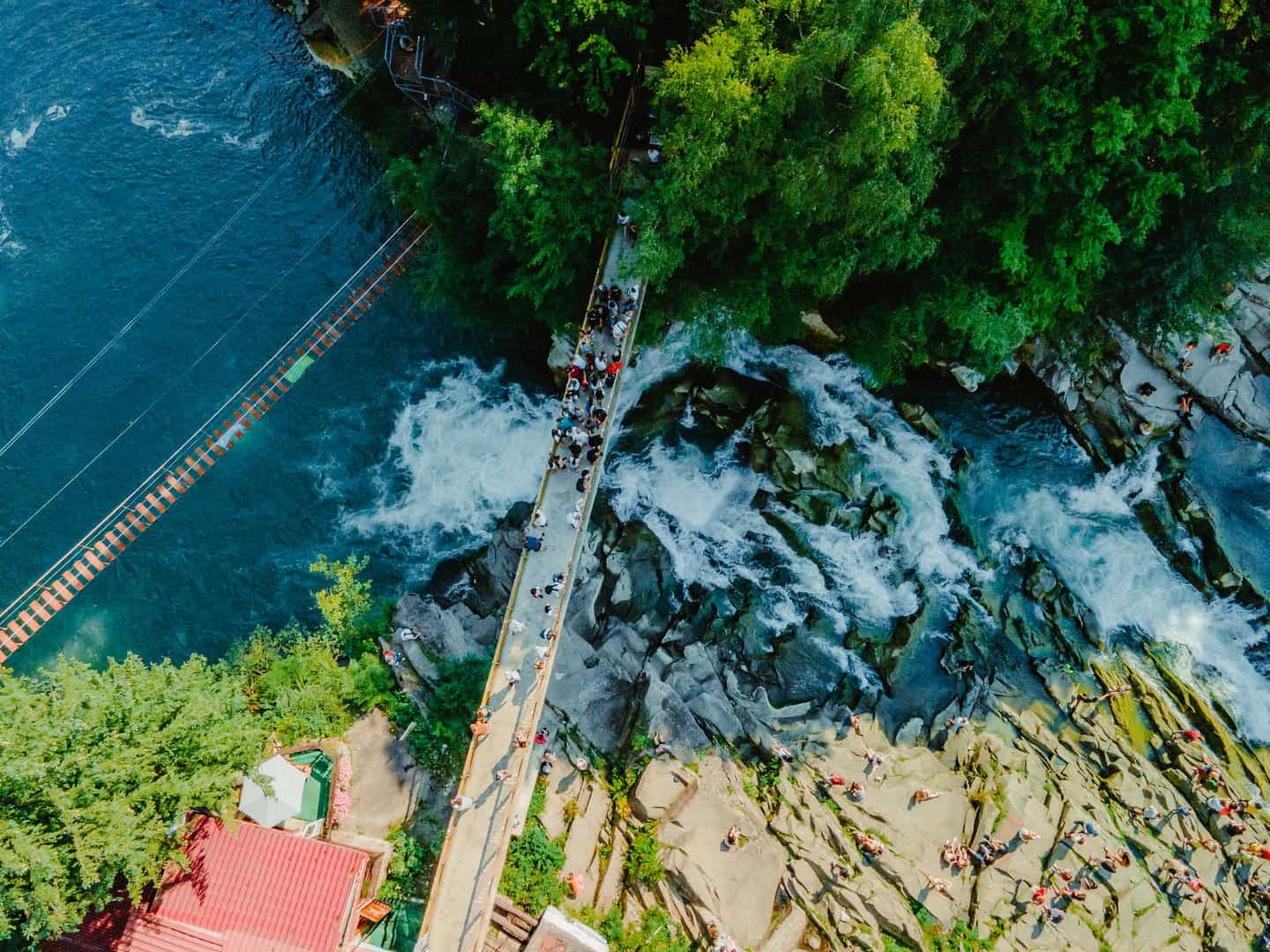
Around 80 percent of global tourist flows are concentrated in just 10 percent of the world’s destinations, creating not only environmental pressure on these hotspots but also the degradation of authentic cultural experiences. In response, 2026 is seeing a sustained interest in secondary destinations that offer cultural richness without the pressure of large crowds. This trend is reinforced by the rise of whycations, trips built around emotional intent such as restoration, reflection, or contributing to local communities, where the geographic location becomes merely a backdrop for fulfilling an individual’s inner purpose.
The Albanian Riviera and the Balkan Crossroads
In 2026, Albania emerges as the most balanced destination dupe to the overcrowded coasts of Italy and Croatia. While Dubrovnik and Venice struggle with gelato queues and packed promenades, the Albanian Riviera Dhermi, Himare, Ksamil offers turquoise Ionian Sea waters at a fraction of the cost of a traditional European beach holiday.
Albania combines Ottoman heritage, mountain landscapes, and largely untouched coastline. Hostel prices start at 10 to 15 dollars, while apartments and mid range local hotels cost 20 to 50 dollars per night. Even the luxury segment remains accessible, with boutique hotels and resorts offering rooms from around 100 dollars. This makes Albania an ideal destination for slow tourism, allowing travelers to stay longer without significant budget pressure.
A key driver of the region’s growing accessibility is the launch of direct transatlantic flights. In particular, Air Transat introduced the first nonstop route from Toronto to Tirana, a strategic move connecting North America with the Balkans. This significantly reduces travel time and positions Albania as a real competitor to established Mediterranean destinations for Western travelers.
Professional itineraries for 2026 include visiting the capital Tirana, where the communist past (Bunk’Art 2 Museum, House of Leaves) meets mountain panoramas accessible via the Dajti Express cable car. The route continues to the Butrint Archaeological Park, showcasing Greek and Roman ruins, and to the “Pearl of Albania” — Gjirokastra, famous for its Ottoman architecture and majestic castle. Cultural immersion is enhanced through meals with local families, featuring farm cheeses, olives, grilled lamb, and traditional drinks like mountain tea and raki.
Kyrgyzstan: Nomadic Epistemology and Tien Shan Mountaineering
In Central Asia, Kyrgyzstan is steadily emerging as the next major destination for backpackers and adventure tourism enthusiasts. The country offers what mass tourism has long lost: wild, unregulated freedom paired with extraordinary hospitality. In 2026, Kyrgyzstan is positioned as a land where “time slows down,” and connections with nature are restored through stays in yurts along Son-Kul Lake and Issyk-Kul Lake.
The Kyrgyz government, in collaboration with international organizations (UNDP, World Bank), implements a National Development Program through 2026, prioritizing ecosystem preservation and energy-efficient tourism. The SET project (Sustainable Energy in Tourism) introduces renewable energy solutions in the Community-Based Tourism (CBT) sector, enabling local communities to generate income without harming the environment.
It is worth noting that Kyrgyzstan ranks among the safest countries in the region, receiving Level 1 security from the U.S. Department of State, on par with Norway and Singapore. However, travelers should be prepared for local logistics: intercity travel is usually by shared minivans or via Yandex/Yango apps in major cities.
A core element of the Kyrgyz experience is its festivals. In 2026, special attention is given to:
- Navruz (March): Celebration of the spring equinox and renewal.
- National Horse Festival: Showcasing riders’ skills in traditional games.
- Birds of Prey Festival: Demonstrations of the ancient art of falconry and eagle hunting.
- Manas Festival and Nomad Games (September): The largest event combining ethnosports and folklore.
For active travelers, multi-day treks are offered, such as crossing the Jiptik Pass in the Alay Mountains or routes in Ala-Archa National Park, where peaks rise over 4,800 meters — higher than the tallest points in Europe.
Georgia: Gastronomic Renaissance and Wine Diplomacy
In 2026, Georgia completes its transformation from a “hidden gem” into a global hub for gastronomic and wine tourism. The strategy of the Georgian National Tourism Administration focuses on attracting high-value travelers seeking authentic experiences linked to the country’s 8,000-year winemaking tradition. This was highlighted by Georgia’s participation in Madrid Fusión 2026, where Georgian qvevri wines were showcased alongside the world’s finest vintages.
Sustainable tourism initiatives in Georgia aim to ensure that economic benefits remain within the country. Companies like VisitGeorgia, certified by Travelife, actively collaborate with family-owned wine cellars (“maranis”) and local artisans, giving travelers access to an authentic way of life. This includes hands-on experiences such as baking bread in a tone oven, making churchkhela, and tasting biodynamic wines.
Georgia ranks among the safest countries in Europe, often outperforming Italy and France in personal safety indices. The police are known for their integrity and readiness to assist tourists. However, there are certain etiquette and safety rules travelers should know:
Dress code in temples: Women should cover their heads and wear skirts (usually provided at the entrance); men should wear long pants.
The art of the supra (feast): Do not start drinking wine until the tamada (toastmaster) has completed the toast.
Road safety: Driving can be aggressive; it is recommended to use trains (Stadler) or hire professional drivers for mountain trips (Kazbegi, Ushguli).
Insurance: From January 1, 2026, medical insurance with coverage of at least 30,000 GEL is mandatory for entry into Georgia.
Accommodation costs vary: 20–40 USD for a guesthouse in rural areas, 60–120 USD for a boutique hotel in Tbilisi. A single meal costs around 10–15 USD, and a bottle of good wine in a restaurant ranges from 15–30 USD.
In 2026, Georgia also emphasizes eco-friendly transport, encouraging the use of the railway network, which can reduce carbon emissions by up to 80% compared to cars.
Romania: The Carpathian Ecosystem as an Alternative to the Alps
In 2026, Romania is positioned as the “new Iceland” of Eastern Europe thanks to its wild, untouched landscapes and active volcanic zones in the Harghita area. The country is actively investing in ecotourism, offering experiences that are less commercialized than those in traditional Alpine regions.
The Carpathian Mountains in Romania remain one of the few places in Europe where large predators — bears, wolves, and lynx — can be observed in their natural habitat. Responsible wildlife observation programs allow tourists to accompany expert guides, with part of the profits directed toward reserves and species reintroduction projects, such as the European bison.
The Danube Delta, as a UNESCO biosphere reserve, is implementing stricter regulations in 2026 to protect its ecosystem while promoting slow tourism. The new strategy includes:
Marked buoys (“Balize”): Limiting boat access to the most sensitive bird-nesting areas.
Gastronomic hubs: Designated spots where fishermen can legally prepare and serve local dishes, reducing pressure from intensive fishing.
Conservation projects: Active restoration of sturgeon populations and the European mink.
Travelers can choose to stay in restored traditional houses or even floating hotels in the Danube Delta, providing a unique, immersive experience in direct contact with nature.
Laos: Railway Integration and Preserved Authenticity
In 2026, Laos is expected to welcome around six million tourists, largely driven by the expansion of its railway network. The Laos–China railway, opened in 2021, has radically improved regional logistics, making intercity travel faster and more accessible. Plans for 2026 include the start of the Laos–Vietnam railway, connecting Vientiane with the port of Vung Ang, giving the country a strategic access to the sea.
Luang Prabang remains the spiritual heart of the country, where visitors can observe daily monk rituals and enjoy colonial architecture. Vang Vieng has solidified its status as the “adventure capital,” offering kayaking on the Nam Song River and exploration of limestone caves amid stunning karst landscapes.
Thanks to the railway, travelers can now easily include Laos in multi-country itineraries across Southeast Asia, significantly increasing the country’s competitiveness compared to Thailand and Vietnam.
The 2026 Travel Market: Authenticity Beyond the First Page
The 2026 travel market offers incredible opportunities for those willing to go beyond the first page of search results. Underrated destinations such as Albania, Kyrgyzstan, Georgia, and Romania do more than provide lower prices — they offer a scarce modern resource: authenticity.
A successful travel strategy is built on three principles:
- Purposefulness: Choosing a destination that aligns with your inner “why” (rest, learning, contribution).
- Slowness: Using railways and staying longer than eight days for deeper immersion.
- Responsibility: Supporting local communities and selecting certified operators.
The integration of new air routes and infrastructure development in Central Asia and the Balkans makes these regions more accessible than ever, allowing every trip to become a meaningful experience that enriches both the traveler and the host community.