

How to Prepare for Traveling with Pets: Key Rules
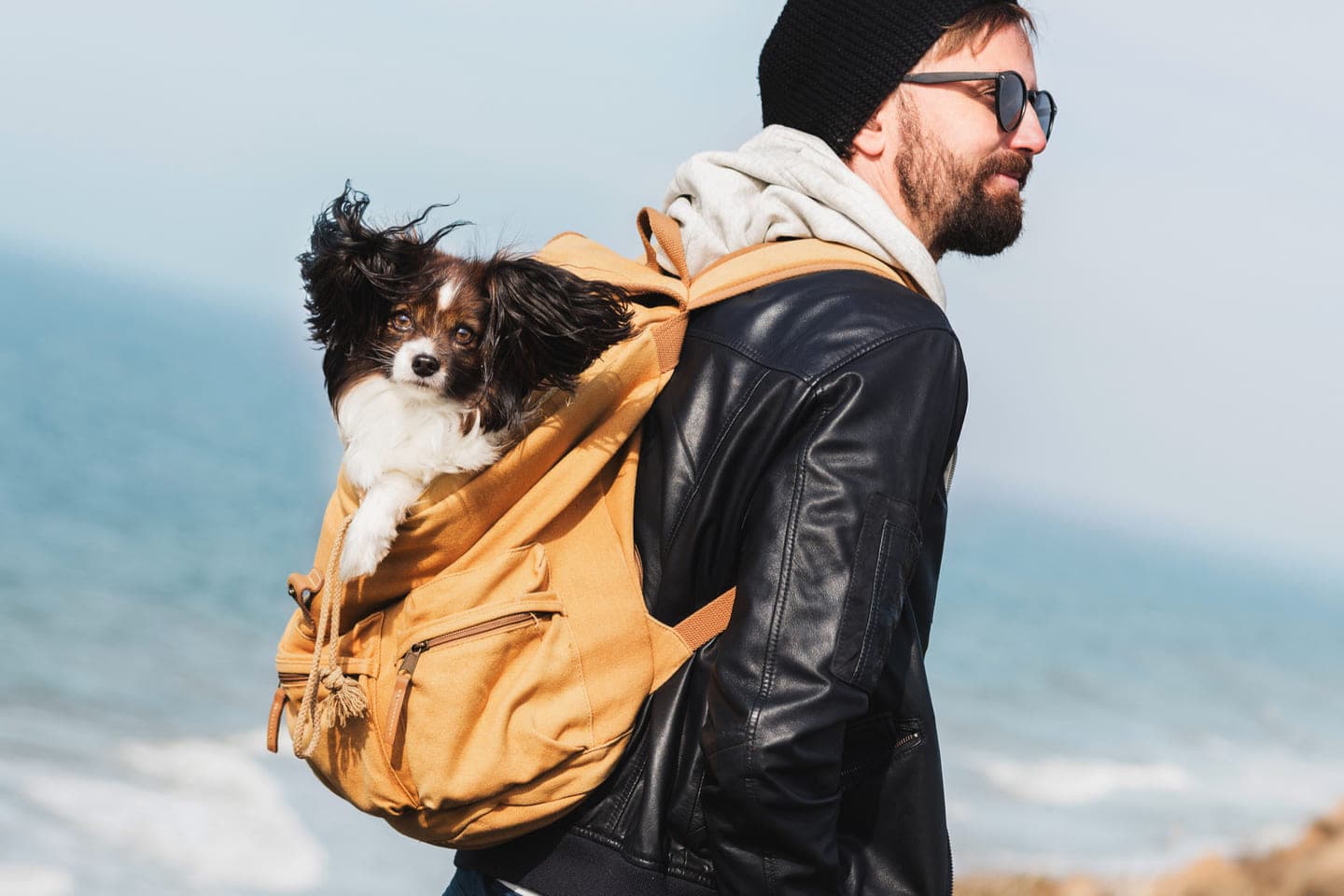
The modern era of global mobility and the evolving social status of pets have led to the development of a complex system of rules, technologies, and medical protocols designed to ensure the safe transport of companion animals. The shift from viewing animals as “accompanying cargo” to recognizing them as individuals with specific travel needs has driven updates to railway standards, aviation protocols of International Air Transport Association, and the growth of a market for specialized equipment.
Immunological Control and Veterinary Certification
The process of legalizing an animal for international travel, especially within the European Union, is a strictly regulated sequence of actions, where each subsequent step legally depends on the successful completion of the previous one. The key principle is that identification takes precedence over vaccination, ensuring that immunization data cannot be falsified for a specific animal.
The first and fundamental step in preparation is microchipping. A microchip is an electronic tag measuring 2×12 mm, implanted subcutaneously and containing a unique 15-digit code. This technology is based on FDX-B or HDX systems, allowing data to be read using scanners or NFC-enabled smartphones. The legal significance of microchipping lies in the fact that any veterinary procedures, including rabies vaccination, performed before chip implantation are automatically considered invalid for border crossing. This requirement ensures an unambiguous link between the biological subject (the animal) and its documented profile. The chip barcode must be affixed to the veterinary passport, and the data entered into international electronic databases such as tracer.com.ua.
The central element of biosecurity in animal transport is rabies control. After identification, the animal must be vaccinated with certified products that meet World Health Organization standards. Vaccine pharmacodynamics must be considered: an immune response develops over time, so the animal is considered vaccinated only 21 days after the primary procedure. For many countries, including the United States and Canada, vaccination alone is insufficient; laboratory confirmation of antibody levels in the blood (FAVN test) is required.
Systemic analysis shows that the total preparation period can extend up to four months, requiring owners to plan strategically in advance. Moreover, if annual revaccination schedules are followed without lapses, repeat antibody titer testing is usually unnecessary, as immunity is considered adequately maintained.
Logistical Transformations of Rail Transport
Rail transport in Ukraine (Ukrzaliznytsia) underwent the most extensive reform of animal transportation rules in decades during 2024–2025. These changes aim to balance the rights of passengers traveling with animals and those with allergic or psychological concerns.
The new regulatory model abandons the subjective distinction between “large” and “small” dogs in favor of a clear anatomical criterion — height at the withers. A threshold of 45 cm is now decisive for selecting the carriage type and travel conditions.
For animals up to 45 cm at the withers, transportation rules have become significantly more flexible. Rigid containers are no longer mandatory; bags and backpacks with waterproof, absorbent bottoms are permitted. This reflects a shift toward modern materials in the pet industry that ensure hygiene without excessive equipment weight.
Another key change is the introduction of a “seat block” concept on high-speed Intercity+ trains. Owners of large dogs may now travel on these trains provided they purchase all adjacent seats within one block, allowing the dog to stay on the floor near the owner’s feet without disturbing other passengers. The animal is transported at the standard baggage rate for 20 kg, a unified procedure for all categories except discounted fares.
The updated rules also define response algorithms in cases of passenger discomfort (for example, acute allergic reactions). In such situations, train staff must offer an alternative seat, emphasizing the priority of passenger safety and health while preserving the right to travel with an animal.
Air Transport: Technical Standards and Safety
Air travel remains the most stressful mode of transportation for animals due to pressure changes, confined space, and isolation in the cargo hold. International Air Transport Association standards strictly regulate container requirements and check-in procedures.
An air transport container is treated as a critical life-support system. It must have a rigid frame, ventilation on three or four sides, and secure locks that prevent accidental opening.
Container dimensions are calculated using formulas based on the animal’s anatomy:
- Height (H): must allow the animal to stand upright without its ears touching the ceiling.
- Length (L): calculated as L=A+0.5B, where A is the body length from nose to the base of the tail, and B is the length of the front leg from elbow to floor.
- Width (W): must be at least twice the width of the animal’s shoulders.
Animals weighing up to 8 kg (including the carrier) are usually allowed in the cabin under the seat in front, which limits carrier height to about 20 cm. Animals exceeding these limits are transported in heated cargo holds or as cargo (for individuals over 50 kg).
A high-risk group includes brachycephalic animals — those with shortened muzzles (bulldogs, boxers, Pekingese dogs, Persian cats). Due to narrowed nostrils and elongated soft palates, they experience impaired breathing that worsens under stress or overheating. Many airlines fully prohibit their transport in cargo holds because of the high risk of fatal outcomes.
Owners are advised to arrive at the airport at least three hours before departure to complete veterinary checks and allow the animal to adapt. It is also important to acclimate the animal to the container 7–10 days before the flight to minimize cortisol levels during travel.
Automotive Safety and Cabin Ergonomics
Car travel offers the greatest freedom but also requires the highest level of responsibility for passive safety. The use of specialized accessories such as car hammocks and pet car seats is essential to prevent animal injuries during maneuvers and to protect the driver from distraction.
Car hammocks address three core needs: cabin hygiene, animal safety, and driver comfort. Made from durable fabrics such as Oxford 600D, they are scratch-resistant and do not absorb odors or moisture. Cradle-style models secured to all four headrests limit the dog’s movement inside the cabin and prevent it from falling into the gap between seats during sudden braking.
An important feature is the presence of zippered or Velcro openings that provide access to the vehicle’s seat belt anchors. This allows the use of a dedicated safety tether that secures the animal within the hammock. Mesh windows in the design ensure air circulation and visual contact between the dog and the owner, significantly reducing anxiety levels.
For small dogs, pet car seats are a preferable option, as they allow the animal to see outside the window, which physiologically reduces motion sickness. When choosing a restraint system, harnesses should be preferred over collars. In an аварійна situation, a harness distributes impact force across the chest, while a collar can cause fatal injuries to the cervical vertebrae. The safest place to install a seat or crate is the rear seat, especially the central position, as it is farthest from potential side-impact zones and broken glass.
Pharmacological Management and Stress Control
Medical preparation for travel includes not only vaccination but also the management of physiological responses to environmental change. Veterinary medicine offers effective solutions for motion sickness and acute stress.
Motion sickness in animals is often accompanied by nausea and vomiting, making travel unbearable. The modern standard of care involves medications based on maropitant. Maropitant is a selective neurokinin-1 (NK1) receptor antagonist that blocks substance P in the central nervous system. Unlike outdated sedatives, maropitant acts directly on the brain’s vomiting center without causing sedation or impaired consciousness.
Pharmacokinetic studies show that maropitant is metabolized in the liver and has high bioavailability when administered subcutaneously. However, the use of any medication must be coordinated with a veterinarian, especially for animals with chronic liver disease.
Stress management begins well before departure. Familiar items such as bedding or toys create a “safety zone” in a new environment. For cats, which are more territorial, pheromones or mild plant-based calming agents may be required. Feeding schedules are also important: the last light meal should be given 2–4 hours before departure, while restricting water is not recommended, except for a short period immediately before aircraft takeoff.
Temperature Control and Thermoregulation During Travel
Hyperthermia (overheating) is one of the leading causes of animal mortality during summer travel. Because dogs and cats cannot sweat over their entire bodies, they rapidly lose the ability to cool themselves in conditions of high humidity and confined spaces.
Cooling mats have become a transformative travel accessory. Several technological types exist, each with specific advantages on the road:
- Gel (self-cooling): contain a non-toxic polymer gel activated by the animal’s body pressure. An endothermic reaction keeps the mat up to 10°C cooler than ambient air for 2–4 hours. They require no water, electricity, or pre-chilling, making them ideal for carriers during flights or train journeys.
- Water-filled: require cold water. They are effective but heavy and carry a risk of leakage, which is undesirable in car cabins or train compartments.
- Electric: powered by mains or USB, actively dissipate heat, but their use is limited by power availability.
In addition to cooling mats, constant access to water is essential. Collapsible silicone bowls with carabiners are the most practical travel solution, as they take up minimal space and are easy to clean. Owners are also advised to use sunshades on car windows and never leave an animal in a closed vehicle, even for a few minutes, as interior temperatures can rise by up to 20°C in a very short time.
Digital Travel Ecosystem: GPS and Identification
Modern animal safety relies on a combination of physical and digital control methods. If a pet is lost in another country or an unfamiliar city, recovery speed depends on how well its data are integrated into international systems.
Pet GPS trackers (such as Tractive, Petcube, and Garmin) provide continuous location tracking via 4G/LTE networks and GPS/GLONASS satellite systems.
- Live Tracking: location updates every few seconds.
- Virtual fences: configurable safe zones (for example, a hotel area); leaving the zone triggers push notifications.
- Sound and light signals: help locate the animal in darkness or dense vegetation.
- Activity monitoring: health and sleep analysis to detect early signs of illness or fatigue.
Most trackers are rated IPX7 for water resistance, allowing operation during heavy rain or brief immersion.
A QR passport (Smart ID) is a critical complement to a subcutaneous microchip. Since passersby typically do not have chip scanners, a QR code on the collar becomes the fastest way to contact the owner.
Key benefits: the code can be scanned with any smartphone camera; the owner receives an email with scan location coordinates; medical passport scans and antibody titers are stored in secure cloud storage. Integration of the Animal ID database with Europe’s largest network, EuroPetNet, ensures pet data are accessible to veterinarians and search services across Europe.
Rules for Staying in Hotels and Cafés
Most hotels that allow pets enforce strict internal Pet Policies. These typically include weight limits (usually 6–8 kg) and bans on access to SPA areas, swimming pools, and restaurants. Pet fees may be charged either as a fixed daily rate or as a one-time final cleaning fee.
Owners are required to ensure that the pet is not present in the room during staff activities (cleaning or maintenance) and must not use hotel towels or bedding for the animal. In food service establishments, the common rule is “the dog stays on the floor”: pets are not allowed on chairs or sofas, and staff are not permitted to touch animals while on duty for sanitary reasons.
Apps such as BringFido help owners find verified pet-friendly locations worldwide, with filters for dog size, additional fees, and traveler reviews. Another useful tool is the **Pet First Aid** app by the American Red Cross, which provides step-by-step first aid guidance for pets while traveling.
In summary, traveling with a pet is not just a change of location but a complex operational process that requires attention to detail at every level.
- Regulatory readiness: Start preparation 4 months in advance. Sequence: microchip → vaccination → antibody titers (after 30 days) → waiting period (90 days) → certificate.
- Logistical choice: Assess the pet’s size (45 cm as the key parameter for Ukrzaliznytsia) and select the appropriate transport mode, considering breed-specific risks (extra caution with brachycephalic breeds in aviation).
- Technical equipment: Mandatory use of a car hammock or seat for road travel, an International Air Transport Association–compliant carrier for flights, a cooling mat for summer trips, and a GPS tracker for safety.
- Medical support: Prepare a travel kit with maropitant-based medications and consult a veterinarian before departure.
- Social adaptation: Pre-train the pet to transport equipment and learn pet-friendly etiquette to ensure harmonious coexistence with other travelers.
Understanding these mechanisms allows owners to turn a potentially stressful event into a safe and comfortable adventure, minimizing health risks for the animal and ensuring full compliance with international regulations.