

From Dream to Route: How to Plan an Adventure Trip in 2026
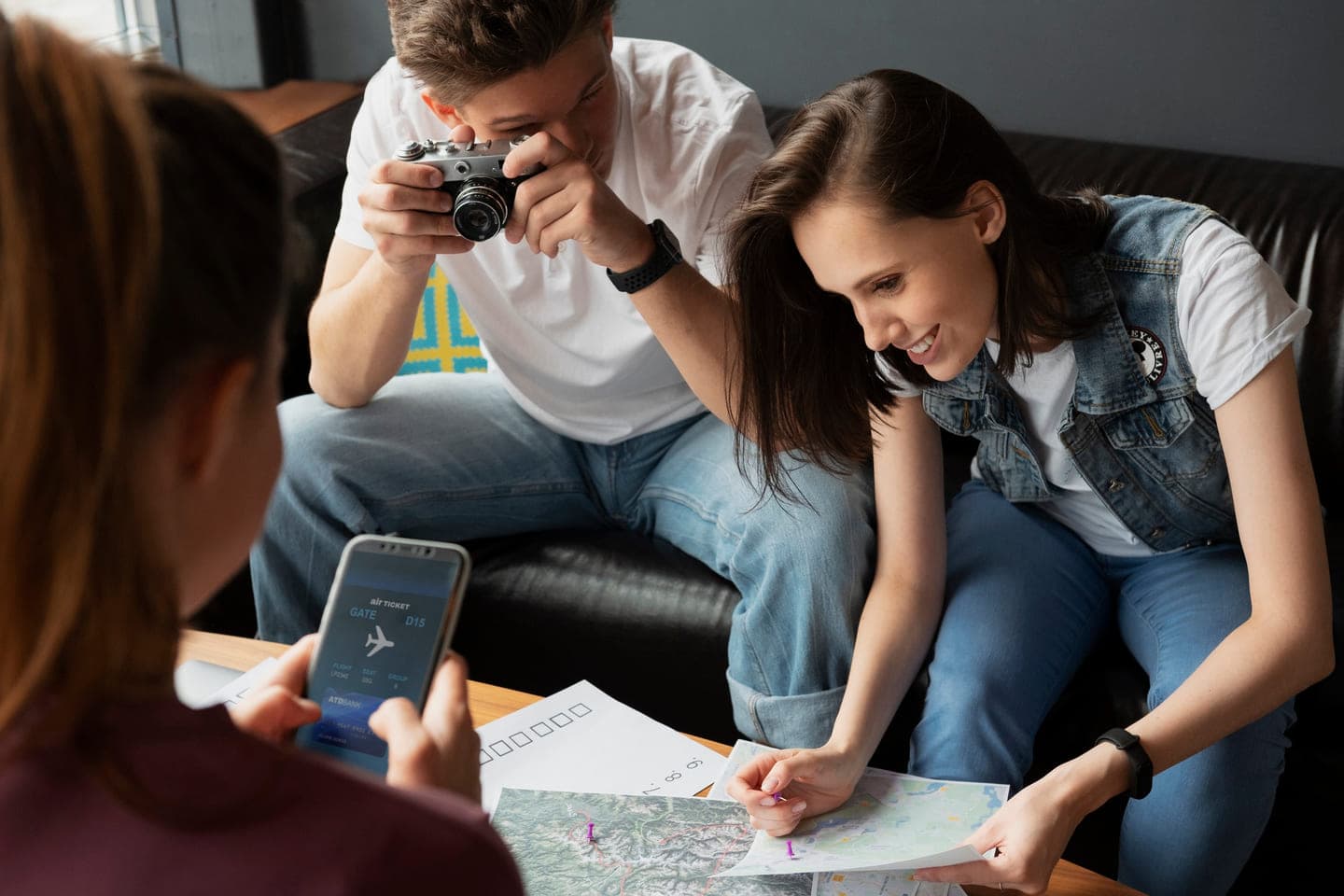
Adventure travel is no longer just about physical activity. It has evolved into an emotional and intellectual quest known as a “whycation.” The term reflects a shift in mindset: travelers now ask “why?” before they ask “where?” People want to recharge, reflect, and create meaningful memories. At the same time, there is a growing desire for silence, calm, and a sense of home comfort — even in the most remote corners of the planet. This trend mirrors society’s response to digital overload and global stress.
In 2026, adventure tourism is shaped by several dominant trends that influence every stage of route planning. One of the most visible is the return to “cold frontiers.” Expedition cruises and journeys to Antarctica, the Arctic, and the Galápagos Islands are seeing record demand. Travelers are seeking untouched landscapes and authentic remoteness, turning their trips into field explorations.
Another significant direction is the rise of “micro-retreats” and mid-career sabbaticals. As retirement ages continue to increase in many countries, active professionals are no longer postponing big journeys. Instead, there is a surge in longer trips — eight days or more — with ambitious itineraries such as multi-week treks in Patagonia or slow travel along the Amalfi Coast. This shift has led to the emergence of specialized planning tools that help integrate these meaningful breaks into professional life.
Strategic Route Design
Experts emphasize that a successful trip is built on balancing ambition with a realistic assessment of your abilities. The first step is to “set your course.” This goes beyond choosing a point on the map — it requires researching cultural norms, seasonal weather patterns, and the level of physical and mental preparation required.
Instead of selecting a country based on popularity, modern planning approaches start with the type of experience you want. It might be a “darecation” — a trip built around an adrenaline rush, such as white-water rafting or skydiving — or “slow travel,” where the priority is deep immersion in the local environment. For Gen Z and millennials, there is also a growing interest in “ethereal” destinations that feel like fairy tales or film sets, such as the Scottish Highlands or Bolivia’s salt flats.
Seasonality matters not only in terms of weather but also in terms of “hidden seasons.” Visiting popular regions during the shoulder season helps avoid crowds, significantly reduce costs, and create more authentic connections with locals. For example, spring blooms in Morocco or summer safaris in Zimbabwe offer unique conditions that mass tourism often overlooks.
The Bureaucratic Foundation and Permit Systems
In 2026, obtaining permits for iconic routes has reached an all-time level of complexity. This is driven by environmental protection strategies and stricter regulation of tourist impact. Document preparation should begin 6–9 months before your planned departure.
Inca Trail, Peru
Access is strictly limited to 500 people per day, of whom only 200 are travelers; the remaining 300 are support staff (guides and porters). Permits for the following year typically go on sale in October of the previous year and sell out within days — especially for peak season (May–August). Permits are personalized, non-refundable, and non-transferable. They can only be obtained through licensed tour operators.
Everest and the Himalayas
Climbing Mount Everest in 2026 requires not only significant financial resources but also strict compliance with regulations set by Nepal’s Department of Tourism. The government permit fee is $11,000 per person. Additional mandatory costs include a $4,000 waste management deposit (refundable upon meeting conditions), liaison officer fees, and local municipality charges.
For standard trekkers heading to Everest Base Camp (EBC), the system is simpler but still regulated. Travelers must obtain the necessary trekking permits, which may include a TIMS card (in some areas replaced by local permit systems) and an entry permit to Sagarmatha National Park.
The Financial Architecture of Adventure
Experts recommend following a “money diet” model — actively saving several months before departure so that your core expenses are fully covered by the time you board your flight.
One of the biggest traps for modern travelers is the fragmentation of airline and hotel pricing. In 2026, a basic airfare often does not include checked baggage ($30–$100), seat selection ($15–$150), or onboard meals. Hotels increasingly introduce mandatory “resort fees”—daily charges for amenities such as pools, fitness centers, or Wi-Fi — which can reach up to $50 per night.
When renting a car, it is essential to look beyond the daily rate. Insurance, fuel policies, and additional driver fees can significantly increase the final cost. To optimize expenses, consider using multimodal transport platforms such as Rome2Rio, which allow you to compare flights, trains, and buses in one place.
Recommended Budget Allocation Strategy
35% Transportation (international and local)
25% Accommodation
15% Food
15% Activities and permits
10% Emergency buffer for unexpected expenses
The Adventure Gear Ecosystem and the Role of Marketplaces
In 2026, sustainable consumption is a central priority. Marketplaces are introducing eco-filters that allow travelers to select products based on clear environmental criteria:
Materials
Use of Bio-Dyneema, recycled nylon (Econyl), and RDS-certified down.
Chemical Safety
PFC-free and PFAS-free standards for waterproof coatings.
Repairability
Availability of spare parts (buckles, laces) and the ability to repair gear in field conditions.
Circularity
Take-back programs for recycling old equipment and growing C2C (consumer-to-consumer) resale segments.
Performance is defined by how well gear matches its environment. In 2026, the trend is shifting toward “universal minimalism,” where one item serves multiple functions. Each type of activity still requires key equipment:
High-Altitude Trekking
A 50–70L backpack with an ergonomic suspension system, ventilated back panel, weight under 2 kg, and durable fabric rated 200D or higher.
Water Tourism (Rafting)
Dry bags, neoprene footwear, and a PFD (personal flotation device). Waterproof rating IPX8, quick-drying materials, and UV resistance are essential.
Cycling Expeditions
Bikepacking bags, a multitool, and a bike computer. Total gear weight up to 5 kg, aerodynamic design, and carbon-frame compatibility.
Self-Supported Expeditions
Portable solar panels or power banks. Capacity of 10,000+ mAh, weight under 150 g, and fast-charging support.
Digital Security and Connectivity in Remote Areas
When traveling beyond cellular coverage, satellite technology becomes essential. In 2026, the market offers two main solutions: compact satellite messengers and portable broadband terminals.
Garmin inReach Mini 3 / 3 Plus
These devices have become the gold standard for solo travelers. The Mini 3 Plus, priced at $499, supports two-way text messaging, SOS alerts, and even the transmission of voice notes and photos via the Iridium Certus network. A key advantage is integration with Garmin watches, allowing users to manage messages directly from their wrist.
Starlink Mini
A breakthrough option for those who need full internet access. The terminal is now lighter, and as of early 2026, the price has dropped to $199. New subscription plans, such as Roam 100GB for $50 per month, make high-speed internet accessible for campers and overlanders, enabling video calls even deep in jungles or deserts.
Specialized software now automates much of the logistical workload:
- Navigation
Apps like AllTrails and Gaia GPS offer detailed offline maps with elevation profiles and real-time trail updates sourced from the community.
- Planning
Wanderlog integrates routes, hotel bookings, and budgets into a single visual interface, using AI to suggest points of interest along the way.
- Urban Logistics
Citymapper and Moovit remain indispensable for complex city transfers, providing real-time updates on transit delays and precise metro exits.
- Health and Safety
The Heymondo app offers 24/7 medical chat support and free internet-based calls to insurance providers, helping travelers avoid high roaming charges during emergencies.
Medical Preparation and Risk Management
In 2026, traveler health is protected not only by a first-aid kit but also by innovative insurance products. Parametric insurance has become standard practice: compensation for flight delays or extreme weather is triggered automatically based on objective data, such as airport or meteorological reports. There is no need for lengthy paperwork or manual claims.
The structure of a medical kit depends on the duration and remoteness of your route. A professional approach includes:
Disinfection and Wound Care
Antiseptic wipes, sterile gauze pads, surgical tape, and elastic bandages.
Specialized Tools
Blunt-tip medical scissors, precision tweezers for removing ticks or splinters, and a thermometer.
Medication for Extreme Conditions
Oral rehydration salts (critical for dehydration caused by diarrhea or heat), antihistamines, prescribed emergency allergy medication if required, and absorbents.
Environmental Protection
Insect repellent with more than 50% DEET, broad-spectrum sunscreen, and water purification tools (tablets or UV filters).
All medications should be kept in their original packaging, with copies of prescriptions when necessary, to avoid issues at customs.
Ethical Standards and Environmental Responsibility
Adventure tourism in 2026 is inseparable from strict ethical principles, most notably the seven “Leave No Trace” (LNT) guidelines. These rules are designed to minimize human impact on wilderness areas and preserve the authenticity of destinations for future generations.
- Plan Ahead and Prepare
Understanding group limits and local conditions helps prevent dangerous situations that can damage the environment.
- Travel and Camp on Durable Surfaces
Use established trails and campsites only. Avoid areas where impact is just beginning to appear.
- Dispose of Waste Properly
Pack out all trash. Human waste should be buried in “cat holes” 15–20 cm deep, at least 60 meters away from water sources.
- Leave What You Find
Do not take rocks, plants, or cultural artifacts. Let others experience the same sense of discovery.
- Minimize Campfire Impact
Use portable stoves for cooking. Campfires are allowed only in designated areas and must be fully extinguished until the ashes are cold.
- Respect Wildlife
Observe animals from a distance. Never feed them, as it harms their health and alters natural behavior.
- Be Considerate of Other Visitors
Keep noise levels low, yield on trails, and choose neutral-colored gear to avoid disrupting the wilderness experience for others.
Moving from a dream to a real route in 2026 requires more than physical endurance. It demands digital literacy, thoughtful planning, and ethical maturity.
The future of adventure lies in balance — between humanity’s desire to explore the unknown and the responsibility to protect the planet’s fragile ecosystems. Those who invest time in careful preparation gain more than a route; they earn a transformative experience that can truly change their lives.